Agriculture, Health, Water
Ozone Benefits
Jun
The Power of Ozone: History, Uses, and Benefits
Introduction
Ozone has fascinated scientists and physicians for over two centuries. From its discovery in the late 1700s to its modern applications in water purification, air quality improvement, and medical therapies, ozone remains a powerful and versatile tool. This article explores the history, science, and benefits of ozone, including its role in health, sanitation, and environmental protection.
The History of Ozone
-
Late 1700s – Ozone was first observed but not yet identified as a compound.
-
1840 – It was scientifically identified as a distinct compound.
-
1893 – The first ozone generator was built in the Netherlands for water purification.
-
1909 – Used as a preservative for cold meat storage.
-
1914 – The German Army used ozone to treat battlefield wounds and infections.
-
1915 – German physician Albert Wolff pioneered the treatment of skin diseases with ozone.
-
1939 – Ozone was found to prevent yeast and mold growth on stored fruit.
-
2001 – The FDA approved ozone as an antimicrobial agent for direct food contact.
How Ozone Works
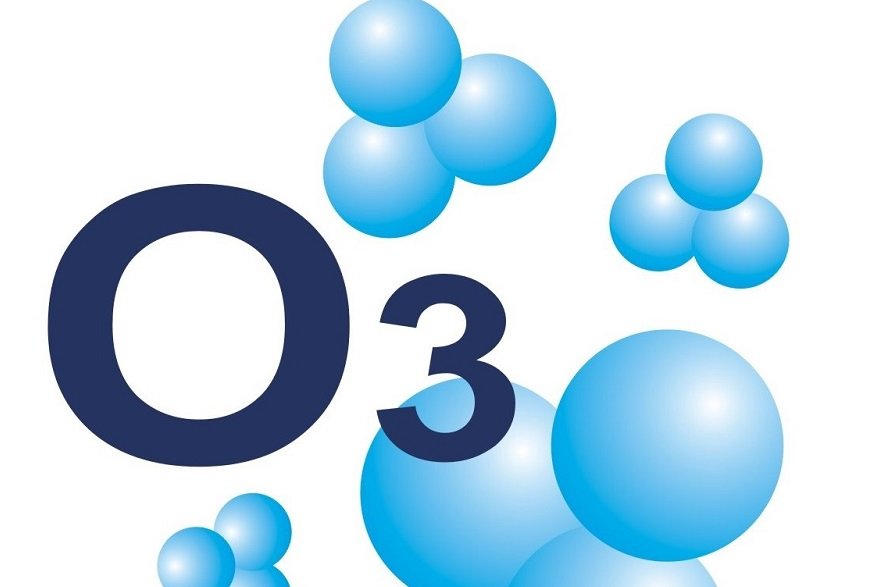
Ozone (O₃) is a highly reactive molecule composed of three oxygen atoms. It is a powerful oxidizer capable of destroying bacteria, viruses, fungi, and other pathogens. Ozone is naturally produced through two primary processes:
-
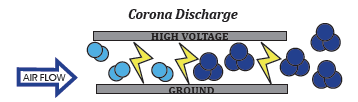
Lightning: Electrical discharge splits oxygen molecules (O₂), allowing them to recombine as ozone (O₃).
-
Ultraviolet (UV) Light: The sun’s UV rays create ozone in the Earth’s atmosphere.
How Ozone is Generated for Practical Use
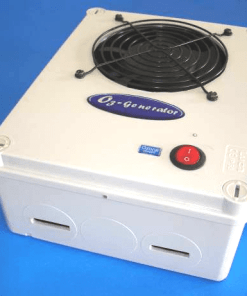
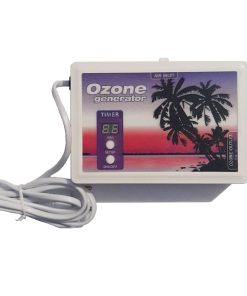
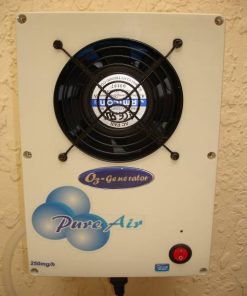
Since ozone is unstable and cannot be stored, it must be generated on-site using an ozone generator. The most common method is Corona Discharge, which mimics natural lightning by passing air through high-voltage plates. This process effectively produces ozone for various applications.
Advantages of Corona Discharge Ozone Generators
-
Generates high ozone concentrations.
-
Ideal for water and air purification.
-
Provides fast organic removal.
-
Delivers consistent ozone output.
Key Benefits of Ozone
1. Water Purification
Ozone is widely used for water treatment, particularly in Europe, where pollution and eutrophication challenge conventional methods. It effectively removes:
-
Bacteria and viruses
-
Organic contaminants
-
Chlorine and its byproducts
-
Oxidizable heavy metals (such as iron and manganese), which can then be filtered out
Note: Ozone does not remove all heavy metals like lead, mercury, or arsenic. Additional filtration is required for these elements.
2. Air Purification
Ozone neutralizes airborne contaminants, making it a popular choice for improving indoor air quality. It helps:
-
Eliminate odors from smoke, mold, and pets.
-
Reduce airborne bacteria, viruses, and allergens.
-
Maintain cleaner, fresher air in homes and offices.
3. Food Safety and Preservation
The FDA has approved ozone for direct food contact due to its ability to:
-
Kill pathogens within seconds.
-
Extend shelf life by preventing mold and bacterial growth.
-
Remove pesticide residues from fruits and vegetables.
4. Medical Applications of Ozone Therapy
Ozone therapy has been studied and used for over a century with proven benefits, including:
-
Boosting the immune system – Stimulates white blood cells to fight infections.
-
Improving circulation – Helps clean arteries and veins, reducing clot formation.
-
Reducing inflammation – Effective for conditions like arthritis and chronic wounds.
-
Accelerating wound healing – Ozone gas baths aid in external wound treatment.
-
Supporting detoxification – Helps purify blood and lymphatic fluid.
5. Industrial and Commercial Uses
Ozone is an environmentally friendly alternative to chemical disinfection in industries such as:
-
Wastewater treatment
-
Swimming pool sanitation
-
Pharmaceutical and medical sanitation
-
Beverage and food processing
Facts About Ozone
-
The most powerful oxidant for disinfecting water and sanitizing surfaces.
-
Capable of killing pathogens in seconds.
-
Decomposes back into oxygen, leaving no harmful residues.
-
Does not affect water pH.
-
Improves filtration by enhancing flocculation and coagulation.
Challenges of Ozone
Despite its benefits, ozone has some limitations:
-
Instability – Ozone has a short half-life (20-60 minutes), requiring on-site generation.
-
Handling precautions – While safe at low concentrations, high ozone levels can be irritating to the respiratory system.
How to Use Ozone Safely
To maximize the benefits of ozone while ensuring safety:
-
Use ozone generators in well-ventilated areas.
-
Follow recommended exposure limits.
-
Choose the right type of ozone generator based on application needs.
-
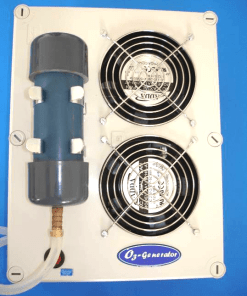
Utilize ozone water diffusers for safe and effective water purification.
Frequently Asked Questions
Q: Is ozone safe for humans?
A: At controlled levels, ozone is safe for air and water treatment. High concentrations should be avoided in enclosed spaces.
Q: Can ozone remove odors permanently?
A: Yes! Ozone eliminates odors at the molecular level rather than masking them like air fresheners.
Q: How long does ozone last?
A: Ozone naturally decomposes back into oxygen within 20-60 minutes, depending on temperature and humidity.
Conclusion
Ozone is a powerful, natural tool for disinfection, purification, and health. From improving indoor air quality and sanitizing water to enhancing medical treatments, ozone remains an invaluable resource.
Explore Our Ozone Solutions
Looking for an ozone generator to purify your air, water, or workspace? Check out our high-quality ozone systems designed for various applications. Browse Our Products Here.