
Agriculture, Water
Microbial Solutions and Their Beneficial Impact

Jan
Microbial Solutions and Their Beneficial Impact
In the ever-evolving world of agriculture, water management, and industrial processes, one thing has remained constant: the incredible power of microbes. These microscopic organisms are often overlooked, yet they play a pivotal role in enhancing productivity, improving environmental sustainability, and reducing waste. The use of microbial solutions in various sectors has grown significantly, driven by advances in biotechnology and a better understanding of how these tiny organisms can be harnessed to solve large-scale problems.
Whether it’s enhancing soil health, improving water quality, or streamlining industrial processes, microbial solutions are at the forefront of innovation. Let’s explore how these powerful little organisms are making a difference in agriculture, water treatment, and industry, with a special focus on some revolutionary products that are changing the way we manage waste, water, and even farm resources.
How Microbes Function and Why They Improve and Enhance Our Environment
At their core, microbes are tiny, living organisms such as bacteria, fungi, algae, and protozoa that exist naturally in the environment. Though small in size, they are capable of incredible transformations that play a crucial role in maintaining balance in ecosystems.
Microbes contribute to the environment in many ways:
- Decomposition of Organic Matter: Microbes break down dead plant and animal matter into simpler substances, releasing essential nutrients back into the soil. This process enriches the soil, helping plants absorb the nutrients they need to thrive. Without microbes, organic matter would accumulate, and essential nutrients like nitrogen, phosphorus, and carbon would be locked away, unable to cycle back into the environment.
- Bioremediation: Microbes are key players in cleaning up polluted environments. Through a process called bioremediation, certain microorganisms can break down toxic substances such as petroleum hydrocarbons, heavy metals, and other pollutants. This process occurs naturally in soils, water, and sediments, but microbial products can accelerate these processes, enhancing the rate at which pollutants are removed and helping restore damaged ecosystems.
- Nitrogen Fixation: Microbes like nitrogen-fixing bacteria play an essential role in converting atmospheric nitrogen into a form that plants can use. This natural process is crucial for agricultural production and helps reduce the need for synthetic fertilizers. By enhancing the availability of nitrogen, these microbes improve plant growth, increase yields, and reduce environmental pollution caused by excess fertilizer use.
- Enhancing Soil Fertility: Beneficial soil microbes work synergistically to improve soil health. They break down organic matter, making nutrients more accessible to plants. They also help maintain healthy soil pH levels, reduce soil erosion, and promote soil structure by aggregating soil particles. Healthy soil microbes are vital for sustainable farming practices and improving long-term agricultural productivity.
- Waste Reduction and Odor Control: In agricultural and industrial settings, microbes break down waste materials, reducing the volume of waste and mitigating the impact of odors. Products like Microbe-Lift HOG and Microbe-Lift BPCC utilize specific microbial strains that help break down manure and compost materials faster, reducing harmful odors and turning waste into nutrient-rich materials that can be reused in farming and gardening.
- Oxygenation and Filtration in Water: In wastewater treatment systems, microbes are responsible for breaking down organic waste and reducing pollutants in the water. Microbe-Lift products like Microbe-Lift IND and Microbe-Lift Hydro enhance the natural microbial action to improve water quality by accelerating the breakdown of organic compounds, including oils and greases. This not only helps clean water but also reduces the need for chemical treatments and minimizes environmental impact.


Microbial Solutions in Agriculture: Enhancing Soil Health and Productivity
In agriculture, soil health is key to ensuring the growth of healthy crops. Microorganisms, including bacteria, fungi, and algae, work tirelessly to break down organic matter in the soil, making nutrients available for plant uptake. This process is known as biological decomposition, and it is critical for the formation of healthy soil.
The use of microbial products in agriculture is becoming more widespread. Microbe-Lift BPCC for composting poultry bedding is a perfect example. This product accelerates the composting process by introducing microbes that increase the temperature of the compost pile, helping it reach thermophilic temperatures of 68–71°C (155–160°F). This speed-up in the composting process reduces barn downtime, helps limit ammonia production, and reduces odors while improving the nutrient quality of the compost for crops.
Another remarkable product is the Microbe-Lift Farm Kit. This product is specially formulated to keep farm retention and irrigation ponds clean and clear, naturally breaking down organic waste and reducing the buildup of undesirable compounds like nitrates and phosphates. These compounds can lead to algae growth, which is detrimental to water quality and plant health. By improving water quality, Microbe-Lift Professional Blend Liquid (PBL) and Microbe-Lift High Count Spore Concentrate (HCSC) help create an environment that supports healthy crop growth, particularly in farming operations that rely on water sources for irrigation.
The benefits of these microbial products in agriculture go beyond just improving soil and water quality. They also contribute to healthier crops, improved yields, and even reduced chemical usage. Non-GMO and non-pathogenic, these microbial formulations are safe for plants, animals, and the environment, ensuring that the benefits extend across the entire agricultural ecosystem.
Microbial Solutions in Water Treatment: Revolutionizing Wastewater Management
Water is one of the most vital resources on Earth, and managing it efficiently is critical for both the environment and industrial applications. Microbial products are playing an increasingly important role in wastewater treatment, helping to break down organic waste and contaminants that can otherwise lead to environmental degradation.
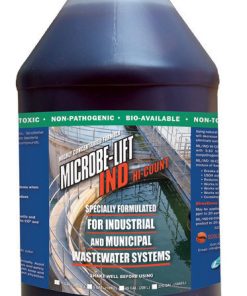
Microbe-Lift IND is an excellent example of a microbial product designed for industrial and municipal wastewater systems. This product contains a blend of 29 select microorganisms that accelerate the biological oxidation of slow-degrading compounds, significantly improving wastewater system performance. From ponds, lagoons, to wastewater retention tanks, this microbial consortium helps reduce BOD (biochemical oxygen demand), COD (chemical oxygen demand), and suspended solids in final effluent, ensuring cleaner, healthier water before it is released back into the environment.
For golf courses and recreational ponds, Microbe-Lift Golf uses photosynthetic bacteria to reduce cloudy water, promoting flocculation (the clumping together of particles) and improving water clarity. This microbial treatment helps maintain healthy aquatic environments in golf course ponds and lagoons while reducing the biological oxygen demand and improving dissolved oxygen levels, creating a safer and cleaner environment for all aquatic life.
In industrial wastewater systems, especially those dealing with challenging waste like hydrocarbons and petrochemicals, Microbe-Lift Hydro is a highly effective solution. Specially formulated for use in petrochemical, refining, and power generation facilities, it accelerates the breakdown of difficult-to-degrade compounds, improving overall system performance while reducing effluent toxicity.
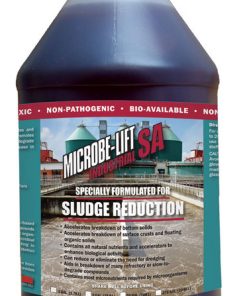
These microbial products not only clean water but also contribute to reducing waste sludge, improving system stability, and controlling harmful odors like hydrogen sulfide, which is common in wastewater and manure management operations.
Microbial Solutions in Industry: Reducing Waste and Enhancing Efficiency
Microbial products have found an essential role in industrial processes, especially in waste management. Whether it’s treating manure in agricultural facilities or enhancing the breakdown of organic materials in various industries, microbes help reduce waste and improve efficiency.
One of the most impactful products in industrial waste management is Microbe-Lift HOG, designed for hog farms. This product, formulated for manure pits over slatted floors, outdoor manure lagoons, and vertical holding tanks, uses non-GMO, non-pathogenic cultures and enzymes to liquefy and activate manure, turning it into bio-active slurry that is beneficial to crops. Not only does this reduce the volume of manure and odors, but it also enhances nutrient availability and promotes healthier crop yields.
For industries dealing with hydrocarbon waste, Microbe-Lift Hydro is another powerful tool. It contains a dry microbial consortium that is effective at degrading hydrocarbons, making it ideal for use in petrochemical, refining, and power generation facilities. By speeding up the degradation of difficult-to-break-down organic compounds, it helps clean up wastewater, reduce harmful waste accumulation, and improve the overall efficiency of industrial wastewater systems.


Why Microbes Matter: A Sustainable Solution
The role of microbes in agriculture, water treatment, and industry is more important than ever. Their ability to break down organic waste, reduce harmful compounds, and improve the efficiency of processes makes them indispensable in creating a more sustainable and productive future. These microbial solutions are not just about improving the environment – they are about enhancing productivity, reducing costs, and ensuring healthier ecosystems for generations to come.
Whether it’s manure management, wastewater treatment, or composting, microbial products are becoming essential tools for industries looking to meet environmental regulations and improve operational efficiency. By leveraging the natural capabilities of microbes, businesses and farmers can reduce their carbon footprint, decrease reliance on harmful chemicals, and improve overall sustainability.
Incorporating microbial solutions like Microbe-Lift Farm Kit, Microbe-Lift AOE-P, Microbe-Lift Hydro, and Microbe-Lift BPCC into your operations can unlock significant benefits across various sectors, making it an investment in both the environment and long-term success.
Harnessing the Power of Microbes for a Cleaner, Healthier Future
The future of agriculture, water management, and industry lies in the hands of nature’s smallest but most powerful workers – microbes. Their ability to enhance soil, water, and industrial processes is already changing the way we manage waste, improve productivity, and protect the environment. By integrating microbial products like Microbe-Lift, we can make a significant impact on sustainability, health, and efficiency.
As industries and farmers continue to seek innovative ways to meet environmental challenges, microbial solutions will undoubtedly play a central role in shaping the future of green, sustainable practices. By adopting the power of microbes, we can look forward to a cleaner, more productive world.
View the Microbe-Lift range of products by clicking here.


